Saturday, December 20, 2025

Anmol Industries Launches Kream Cakes & Premium Cookies for Everyday Snackers


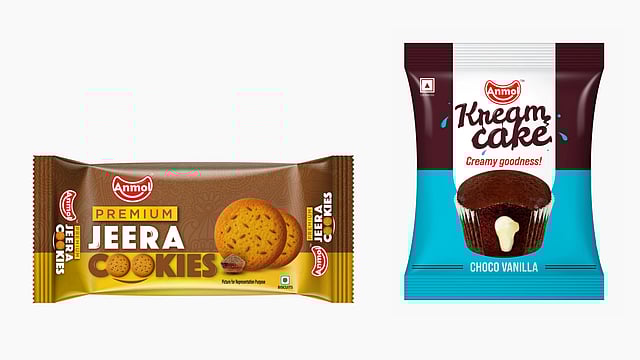
Anmol Industries Limited, a leading name in India’s packaged food market, has expanded its snacking portfolio with the introduction of Anmol Kream Cakes and Premium Cookies, designed to cater to everyday sweet cravings. The Kream Cakes line features soft, cream-filled cakes available in popular flavours such as Vanilla, Mixed Fruit, and Choco Double, making them ideal for lunch boxes, tea breaks, or light indulgence. Alongside this, the Premium Cookies range includes a Coconut variant made with real coconut and free from artificial colours, offering a flavourful bite for cookie lovers. Both products emphasize quality, taste, and affordability, aligning with Anmol’s focus on delivering enjoyable snacks for a wide consumer base. Manufactured in the company’s own facilities, these snacks ensure freshness and consistency across batches. According to Anmol’s management, the new launches are crafted to fit seamlessly into daily routines while appealing to varied age groups. The products are now available through Anmol’s regular retail network, reaching neighbourhood stores, supermarkets, and major e-commerce platforms. With expanded distribution into both urban and semi-urban markets, the new cakes and cookies are positioned as convenient, value-led choices in the company’s growing portfolio.

Nutrica Enters Peanut Butter Category with New Wellness-Focused Range

Nutrica, the lifestyle and wellness brand from BN Agritech Limited, has launched its new peanut butter range in India, marking its entry into the growing peanut butter segment. The launch is part of Nutrica’s strategy to expand its wellness portfolio by offering products that balance nutrition, taste, and everyday functionality. The range is available in Crunchy and Creamy variants, catering to diverse consumer preferences.

Nutrica Peanut Butter is positioned as a healthy snacking and daily nutrition option, being high in protein and rich in dietary fibre. Made from 100 per cent vegetarian ingredients and free from artificial preservatives, the product aligns with the brand’s belief that nutritious food should be both accessible and enjoyable. The peanut butter is offered in convenient PET jar sizes of 300 grams, 750 grams, and 900 grams, making it suitable for different household needs.

The product is currently available through general trade stores across 14 major Indian cities, including Delhi, Mumbai, Pune, and Chandigarh. According to the company, the launch encourages consumers to make a simple switch from regular spreads to peanut butter for a healthier lifestyle. With this addition, Nutrica strengthens its presence as a comprehensive wellness brand, building on its existing range that includes honey and vitamin-enriched cooking oils. 


Fabelle by ITC Launches Kunafa-Inspired Luxury Chocolate Collection in India

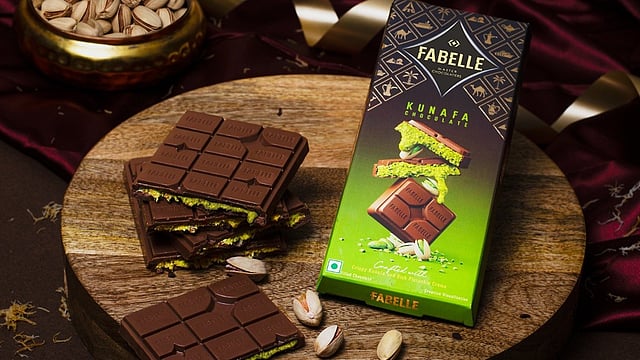
 Fabelle Exquisite Chocolates, the luxury chocolate brand from ITC Limited, has introduced an innovative Kunafa-inspired chocolate collection in India, bringing together the richness of Middle Eastern dessert traditions and premium chocolate craftsmanship. Inspired by the globally popular kunafa dessert, the new range reflects Fabelle’s focus on innovation, indulgence, and experiential luxury.

The Fabelle Kunafa Chocolate Collection features three indulgent variants: Milk Pistachio Kunafa Chocolate, Pistachio Dark Chocolate Kunafa with 64% cocoa, and Pecan Dark Chocolate Kunafa with 64% cocoa. Each variant combines fine chocolate with authentic kunafa elements such as crispy kataifi strands and rich nut fillings, offering a unique blend of textures and flavours. The inclusion of pecans adds a distinctive and premium twist to the collection, setting it apart in the Indian luxury chocolate segment.

The product has been developed after extensive research by Fabelle’s master chocolatiers, who studied traditional kunafa preparations in Dubai’s renowned patisseries. The aim was to recreate the multisensory experience of kunafa—its crispiness, creaminess, and richness—within a refined chocolate format, while maintaining balance and harmony in taste.

According to ITC, the launch reflects Fabelle’s commitment to elevating global dessert trends through meticulous craftsmanship rather than merely replicating them. The brand seeks to deliver a sophisticated flavour experience that appeals to evolving consumer preferences for premium, internationally inspired confections.

The Kunafa Chocolate Collection is available at Fabelle boutiques across major Indian cities such as Mumbai, Bengaluru, Chennai, Hyderabad, Delhi, Kolkata, Ahmedabad, and Amritsar, and is also accessible online through Fabelle’s website as well as leading food delivery platforms. With this launch, Fabelle strengthens its position in India’s growing premium chocolate market, driven by fusion flavours and global culinary influences.


Sunday, November 16, 2025

20 CASE STUDY–BASED MCQs UGC NET - (Tourism Administration)


1. A hill destination notices a sharp rise in tourist arrivals during weekends, causing overcrowding and pressure on local resources. The Tourism Department wants to spread tourist inflow across weekdays. Which strategy should they adopt?
(A) Price skimming
(B) Differential pricing
(C) Mass promotion
(D) Product standardization

2. A heritage hotel receives negative reviews about slow service but excellent ambiance. To address this, the manager conducts training for staff and redesigns service processes. This approach is an example of:
(A) Service recovery
(B) Capacity management
(C) Total Quality Management (TQM)
(D) Benchmarking

3. A wildlife sanctuary wants to balance conservation and tourism. The administration decides to limit the number of visitors per day. This is an example of managing:
(A) Carrying capacity
(B) Product diversification
(C) Demand forecasting
(D) Destination branding

4. A tour company launches customized spiritual tours for senior citizens after noticing a demographic shift. Which segmentation base is being used?
(A) Psychographic
(B) Behavioural
(C) Geographic
(D) Demographic

5. A popular beach destination faces waste disposal issues due to rising tourist numbers. The local authority introduces eco-fees to fund waste management. This reflects principles of:
(A) Responsible tourism
(B) Adventure tourism
(C) Dark tourism
(D) Luxury tourism

6. A travel agency adopts AI chatbots to respond to customer inquiries 24/7. This change mainly improves:
(A) Product packaging
(B) Service reliability
(C) Promotional strategy
(D) Distribution channels

7. A museum wants to increase visitor engagement and decides to introduce interactive digital screens that tell stories about exhibits. This is a step toward:
(A) Digital transformation
(B) Tourism privatization
(C) Cultural commodification
(D) Price leadership

8. A hotel chain is evaluating market demand before expanding to a new city. They analyze past data and conduct surveys. This process is known as:
(A) Feasibility study
(B) Stakeholder mapping
(C) Market positioning
(D) Inventory management

9. A theme park offers discounted family packages during school vacations to increase visitor numbers. This strategy is an example of:
(A) Promotion mix
(B) Seasonal pricing
(C) Penetration pricing
(D) Merchandising

10. A trekking operator mandates safety briefings and provides standard safety kits before each trek. This reflects focus on:
(A) Tourism marketing
(B) Destination branding
(C) Risk management
(D) Customer delight

11. A rural village starts promoting its traditional handicraft and local cuisine to attract tourists. This promotes:
(A) Urban tourism
(B) Sustainable rural tourism
(C) Dark tourism
(D) Space tourism

12. A resort introduces a loyalty program to retain customers. The strategy primarily aims at:
(A) Market penetration
(B) Customer relationship management
(C) Financial restructuring
(D) Supply chain management

13. A state tourism board partners with airlines and hotels to offer discounted travel packages. This is an example of:
(A) Vertical integration
(B) Co-branding
(C) Public-private partnership
(D) Horizontal merger

14. A heritage site is facing deterioration due to excessive footfall. The management decides to introduce virtual tours. This helps in:
(A) Reducing service perishability
(B) Reducing physical pressure
(C) Enhancing product customization
(D) Increasing price elasticity

15. A hotel identifies that business travelers prefer express check-ins. The hotel starts a mobile check-in system. The decision is based on:
(A) Operations research
(B) Consumer behaviour analysis
(C) Niche marketing
(D) Push strategy

16. The tourism department wants to improve visitor satisfaction at a pilgrimage site. They focus on improving sanitation, signage, and crowd control. These improvements reflect:
(A) Core product enhancement
(B) Augmented product improvement
(C) Brand repositioning
(D) Product diversification

17. A tour operator develops packages based on trekking difficulty levels—beginner, moderate, and advanced. This is an example of:
(A) Psychographic segmentation
(B) Usage rate segmentation
(C) Benefit segmentation
(D) Geographic segmentation

18. A national park introduces a mobile app for online ticketing and route navigation. This improves the destination’s:
(A) Place utility
(B) Promotional efficiency
(C) Service delivery system
(D) Tourism life cycle

19. An airline facing stiff competition introduces flexible fares and free rescheduling. This strategic move is aimed at improving:
(A) Competitive positioning
(B) Branding
(C) Market clustering
(D) Demand contraction

20. A city planning to become a MICE destination invests heavily in convention centers and international hotels. This represents:
(A) Diversification strategy
(B) Product development
(C) Destination development

(D) Market penetration strategy 
UGC NET - TOURISM & ADMINSTRATION- IMPORTANT QUESTIONS -MCQ NOV 25

Which of the following is considered a primary tourist attraction?
a) Hotels
b) Shopping centers
c) Natural landscapes
d) Transportation facilities
Answer: c

The concept of “Tourism Satellite Account (TSA)” is used to:
a) Measure tourism employment only
b) Calculate economic contribution of tourism
c) Regulate international tourists
d) Compare tourism prices
Answer: b

Which one of the following is NOT an objective of tourism planning?
a) Maximizing economic benefits
b) Preserving cultural identity
c) Ensuring environmental protection
d) Increasing population growth
Answer: d

The term “Dark Tourism” refers to travel to:
a) Adventure destinations
b) Sites associated with death or tragedy
c) Nightlife attractions
d) Rural areas
Answer: b

Which of the following is a key component of service quality in tourism according to SERVQUAL?
a) Tangibles
b) Profit
c) Discounts
d) Price
Answer: a

The tourism industry is categorized as which type of industry?
a) Primary
b) Secondary
c) Tertiary
d) Quaternary
Answer: c

Which of the following is a characteristic of tourism demand?
a) Inelastic
b) Seasonal and volatile
c) Declining continuously
d) Fully predictable
Answer: b

PATA stands for:
a) Pacific and Atlantic Tourism Association
b) Pacific Asia Travel Association
c) Pan Asia Travel Alliance
d) Public Association of Travel Agencies
Answer: b

Which tourism type involves travel motivated by health and wellness?
a) Cultural tourism
b) Medical tourism
c) Ecotourism
d) Rural tourism
Answer: b

What is the main purpose of a tour operator?
a) Operating hotels
b) Providing local transport only
c) Assembling and selling tour packages
d) Issuing passports
Answer: c

The concept of “Responsible Tourism” was first emphasized at:
a) Cape Town Declaration
b) Kyoto Protocol
c) Manila Conference
d) Paris Sustainable Forum
Answer: a

Which is an example of secondary tourism attraction?
a) Sacred temples
b) Beaches
c) Local markets
d) Wildlife parks
Answer: c

In hotel classification, a 5-star rating indicates:
a) Budget accommodation
b) Limited services
c) Luxury services and facilities
d) Rural homestay
Answer: c

Which of the following is a major supply component in tourism?
a) Tourist motivation
b) Tourism resources
c) Psychological needs
d) Push factors
Answer: b

Virtual Tourism” mainly uses which technology?
a) Blockchain
b) Virtual Reality (VR)
c) Hydroponics
d) Cloud storage
Answer: b

A country's “Inbound Tourism Receipts” refer to:
a) Money spent by residents abroad
b) Money spent by domestic tourists
c) Money spent by foreign tourists within the country
d) Revenue from tourism exports only
Answer: c

Which of the following is a challenge in sustainable tourism development?
a) High cultural sensitivity
b) Balancing economic, social, and environmental goals
c) Presence of eco-friendly hotels
d) Strong government support
Answer: b

The term “Tour Broker” refers to:
a) A person selling airline tickets
b) A middleman who sells tours created by tour operators
c) A tourist guide
d) A hotel manager
Answer: b

Caravan tourism is most closely associated with:
a) Water-based activities
b) Mobile accommodation
c) Business travel
d) Luxury cruises
Answer: b

Which of the following is an example of a demand forecasting method in tourism?
a) SWOT analysis
b) Delphi technique
c) Break-even analysis
d) BCG Matrix

                     Answer: