Saturday, March 22, 2025

Data Analytics and Business Intelligence: A Comprehensive Exploration

Data analytics and business intelligence (BI) have become indispensable tools for modern businesses. With the exponential growth of data, organizations are leveraging these technologies to make informed decisions, optimize operations, and gain a competitive edge. Below is a detailed breakdown of the key aspects of data analytics and business intelligence:


1. Big Data and Its Applications in Business

Big data refers to the massive volume of structured and unstructured data generated by businesses, customers, and devices. Its applications are transforming industries across the board.

Key Characteristics of Big Data (The 5 Vs):

Volume: The sheer amount of data generated.

Velocity: The speed at which data is produced and processed.

Variety: The different types of data (e.g., text, images, videos).

Veracity: The reliability and accuracy of data.

Value: The insights derived from data.

Applications in Business:

Customer Insights: Analyzing customer behavior to personalize marketing and improve customer experience.

Operational Efficiency: Optimizing supply chains, inventory management, and production processes.

Risk Management: Identifying and mitigating risks using predictive analytics.

Product Development: Using data to identify market trends and develop new products.

Fraud Detection: Detecting anomalies and fraudulent activities in real-time.

Example:

  • Netflix uses big data to analyze viewing patterns and recommend personalized content to users.

2. Predictive Analytics and Machine Learning

Predictive analytics involves using historical data, statistical algorithms, and machine learning techniques to predict future outcomes.


Key Concepts:

Machine Learning (ML): A subset of AI that enables systems to learn from data and improve over time without explicit programming.

Algorithms: Techniques like regression analysis, decision trees, and neural networks are used to make predictions.


Applications:

Sales Forecasting: Predicting future sales based on historical data.

Customer Churn: Identifying customers likely to leave and taking proactive measures.

Demand Planning: Anticipating product demand to optimize inventory.

Predictive Maintenance: Forecasting equipment failures to reduce downtime.

Example:

  • Amazon uses predictive analytics to forecast demand and optimize its inventory management.

3. Data Visualization Tools

Data visualization tools help businesses present complex data in an easily understandable format, enabling better decision-making.

Popular Tools:

  • Tableau: Known for its user-friendly interface and powerful visualization capabilities.
  • Power BI: A Microsoft tool that integrates seamlessly with other Microsoft products.
  • QlikView: Offers associative data modeling for deeper insights.
  • Google Data Studio: A free tool for creating interactive dashboards and reports.

Benefits of Data Visualization:

  • Simplifies complex data.
  • Identifies trends and patterns quickly.
  • Enhances communication and collaboration.
  • Supports data-driven decision-making.

Example:

  • A retail company uses Tableau to visualize sales data and identify underperforming regions.

4. Ethical Considerations in Data Usage

As businesses collect and analyze vast amounts of data, ethical considerations have become increasingly important.

Key Ethical Issues:

  • Data Privacy: Ensuring that personal data is collected, stored, and used responsibly.
  • Consent: Obtaining explicit consent from individuals before collecting their data.
  • Transparency: Being clear about how data is used and shared.
  • Bias and Fairness: Ensuring that algorithms and models do not perpetuate biases or discrimination.
  • Security: Protecting data from breaches and unauthorized access.


Regulations:

  • General Data Protection Regulation (GDPR): A European Union regulation that sets guidelines for data protection and privacy.
  • California Consumer Privacy Act (CCPA): Grants California residents rights over their personal data.
  • Health Insurance Portability and Accountability Act (HIPAA): Protects sensitive patient health information in the U.S.


Best Practices:

  • Implement robust data governance policies.
  • Conduct regular audits to ensure compliance.
  • Train employees on data ethics and security.
  • Use anonymization techniques to protect individual identities.


Example:

  • Facebook faced backlash for the Cambridge Analytica scandal, highlighting the importance of ethical data usage.


5. Case Studies of Data Analytics and BI in Action


a. Walmart

  • Challenge: Managing a vast supply chain and optimizing inventory.
  • Solution: Uses big data analytics to track sales, predict demand, and manage inventory in real-time.
  • Outcome: Improved efficiency and reduced costs.


b. Uber

  • Challenge: Matching drivers with riders efficiently.
  • Solution: Uses machine learning algorithms to predict demand and optimize pricing (surge pricing).
  • Outcome: Enhanced customer experience and increased revenue.


c. American Express

  • Challenge: Reducing customer churn.
  • Solution: Uses predictive analytics to identify customers at risk of leaving and offers targeted incentives.
  • Outcome: Improved customer retention and loyalty.


Saffola Cuppa Oats: A Quick, Nutritious, and Tasty Snack


Marico has introduced Saffola Cuppa Oats, a delicious and hassle-free snack designed for modern, busy consumers. Ready in just four minutes with boiling water, it comes in Magic Masala and Spicy Mexicana flavors, featuring a blend of oats, millets, and crunchy multigrain bites. The product stays true to Saffola’s ‘No Nasties’ promise—no maida, no artificial flavors, colors, preservatives, or palm oil. Packed with fiber and protein, it caters to working professionals, young adults, and students seeking a quick, nutritious snack. Whether for breakfast, a midday boost, or a late-night craving, Saffola Cuppa Oats offers great taste without time waste. Now available in leading retail stores and quick-commerce platforms, it's the perfect on-the-go snacking solution for today's fast-paced lifestyles.


source: https://www.foodtechbiz.com/

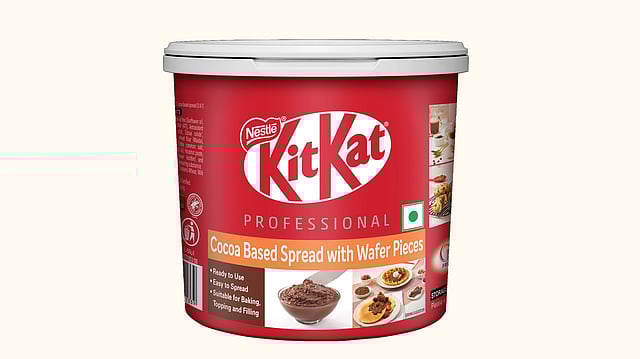
Nestlé Launches KITKAT Professional Spread

Nestlé Professional has expanded into the cocoa-based spreads category with KITKAT Professional Spread, designed for the HoReCa (Hotels, Restaurants, and Catering) segment. This innovative spread offers a rich chocolatey taste and crispy texture, making it ideal for desserts like cakes, pastries, and beverages. Chefs can use it as a topping, filling, or decoration, seamlessly incorporating the KITKAT wafer experience into their creations. The product was previewed at AAHAR 2025, where Nestlé hosted live tasting sessions to showcase its versatility. Available in a 1kg pack, KITKAT Professional Spread is a convenient solution for the foodservice industry, fostering culinary creativity and enhancing consumer experiences. 

source: https://www.foodtechbiz.com/

Marketing Organization: Structure, Functions, and Best Practices


Marketing Organization: 

A marketing organization is a structured entity within a company responsible for planning, executing, and managing marketing activities to achieve business objectives. It plays a critical role in driving brand awareness, customer acquisition, and revenue growth. This article provides a detailed overview of marketing organizations, including their structure, functions, key roles, and best practices for effective management.


1. Importance of a Marketing Organization

A well-structured marketing organization ensures that a company’s marketing efforts are aligned with its overall business goals. It enables:

  • Strategic Alignment: Ensures marketing strategies support business objectives.

  • Resource Optimization: Allocates resources efficiently to maximize ROI.

  • Coordination: Facilitates collaboration across teams and departments.

  • Adaptability: Enables quick responses to market changes and customer needs.


2. Structure of a Marketing Organization

The structure of a marketing organization varies depending on the size, industry, and goals of the company. Common structures include:

a. Functional Structure

  • Organized by specialized functions (e.g., advertising, digital marketing, content marketing).

  • Suitable for small to medium-sized businesses.

  • Advantages: Clear specialization, efficient use of expertise.

  • Disadvantages: Potential silos, limited cross-functional collaboration.

b. Product-Based Structure

  • Organized by product lines or brands.

  • Common in companies with diverse product portfolios (e.g., FMCG, tech).

  • Advantages: Focused marketing strategies for each product.

  • Disadvantages: Duplication of efforts, higher costs.

c. Geographic Structure

  • Organized by regions or countries.

  • Ideal for global companies with localized marketing needs.

  • Advantages: Tailored strategies for local markets.

  • Disadvantages: Coordination challenges, potential inconsistency in branding.

d. Customer-Centric Structure

  • Organized by customer segments (e.g., B2B, B2C, demographics).

  • Focuses on delivering personalized experiences.

  • Advantages: Deep understanding of customer needs.

  • Disadvantages: Requires robust data and analytics capabilities.

e. Matrix Structure

  • Combines functional and product/geographic structures.

  • Employees report to multiple managers (e.g., functional head and product manager).

  • Advantages: Flexibility, cross-functional collaboration.

  • Disadvantages: Complexity, potential conflicts.


3. Key Functions of a Marketing Organization

A marketing organization typically performs the following functions:

a. Market Research and Analysis

  • Conducts research to understand market trends, customer preferences, and competitor strategies.

  • Uses tools like surveys, focus groups, and data analytics.

b. Brand Management

  • Develops and maintains the company’s brand identity.

  • Ensures consistent messaging across all channels.

c. Product Marketing

  • Focuses on promoting specific products or services.

  • Collaborates with product development teams to align marketing with product features.

d. Digital Marketing

  • Manages online channels, including social media, SEO, email marketing, and paid advertising.

  • Tracks and optimizes digital campaigns for maximum ROI.

e. Content Marketing

  • Creates and distributes valuable content to attract and engage customers.

  • Includes blogs, videos, infographics, and whitepapers.

f. Sales Enablement

  • Provides sales teams with the tools, resources, and training needed to close deals.

  • Includes creating sales collateral, case studies, and pitch decks.

g. Customer Relationship Management (CRM)

  • Focuses on building and maintaining strong relationships with customers.

  • Uses CRM tools to track customer interactions and personalize marketing efforts.

h. Performance Measurement

  • Tracks and analyzes the effectiveness of marketing campaigns.

  • Uses KPIs like ROI, customer acquisition cost (CAC), and conversion rates.


4. Key Roles in a Marketing Organization

A marketing organization comprises various roles, each contributing to its success:

a. Chief Marketing Officer (CMO)

  • Oversees the entire marketing function.

  • Aligns marketing strategies with business goals.

b. Marketing Manager

  • Manages specific marketing campaigns or teams.

  • Ensures timely execution and delivery of marketing activities.

c. Digital Marketing Specialist

  • Focuses on online marketing channels.

  • Manages SEO, PPC, social media, and email campaigns.

d. Content Strategist

  • Develops content plans and strategies.

  • Ensures content aligns with brand messaging and customer needs.

e. Data Analyst

  • Analyzes marketing data to measure performance and identify trends.

  • Provides insights for decision-making.

f. Graphic Designer

  • Creates visual content for marketing campaigns.

  • Ensures brand consistency in design elements.

g. Social Media Manager

  • Manages the company’s social media presence.

  • Engages with followers and monitors social media trends.

h. Public Relations (PR) Specialist

  • Manages the company’s public image.

  • Handles media relations and crisis communication.


5. Best Practices for Effective Marketing Organizations

To maximize the effectiveness of a marketing organization, consider the following best practices:

a. Align Marketing with Business Goals

  • Ensure marketing strategies support overall business objectives.

  • Regularly review and adjust strategies based on performance.

b. Foster Collaboration

  • Encourage cross-functional collaboration between marketing, sales, product, and customer service teams.

  • Use tools like Slack, Trello, or Asana to streamline communication.

c. Leverage Data and Analytics

  • Use data-driven insights to make informed decisions.

  • Invest in tools like Google Analytics, HubSpot, or Tableau.

d. Focus on Customer-Centricity

  • Prioritize customer needs and preferences in all marketing activities.

  • Use customer feedback to refine strategies.

e. Embrace Innovation

  • Stay updated on the latest marketing trends and technologies.

  • Experiment with new channels and tactics (e.g., AI, chatbots, influencer marketing).

f. Measure and Optimize

  • Continuously track the performance of marketing campaigns.

  • Use A/B testing and other optimization techniques to improve results.

g. Invest in Talent Development

  • Provide training and development opportunities for marketing teams.

  • Encourage a culture of learning and innovation.


6. Challenges Faced by Marketing Organizations

Despite their importance, marketing organizations often face challenges, including:


  1. Budget Constraints: Limited resources can hinder campaign effectiveness.
  2. Rapid Technological Changes: Keeping up with new tools and platforms can be overwhelming.
  3. Data Privacy Concerns: Navigating regulations like GDPR and CCPA.
  4. Measuring ROI: Demonstrating the impact of marketing efforts on revenue.