Sunday, December 28, 2025

COOLBERG DIET FROM GHODAWAT CONSUMER (ZERO SUGAR MALT BEVARAGE)

Reading
Reading

Ghodawat Consumer Limited (GCL) has launched Coolberg Diet, a groundbreaking zero-sugar malt beverage designed to cater to the modern, health-conscious consumer in India. As the nation's first zero-sugar malt drink, it sets a new benchmark for mindful drinking by offering a flavorful, alcohol-free refreshment with no added sugar and no caffeine. Priced at ₹109 for a stylish 330 ml glass bottle, this innovative product is engineered for consumers seeking a guilt-free, low-calorie alternative to sugary soft drinks and alcoholic beverages, perfect for gym-goers, diabetics, keto dieters, and Gen Z wellness seekers.


Salloni Ghodawat, CEO of Ghodawat Consumer Limited, emphasized the brand's mission to align with evolving consumer needs, stating, "Coolberg Diet is more than just a beverage; it's a lifestyle choice for those who want to enjoy flavour and refreshment without compromising on health." The beverage is versatile enough to be enjoyed straight from the bottle or as a sophisticated base for mocktails and mixers. Its launch taps into the burgeoning trend of functional, non-alcoholic beverages and is positioned to reshape the Indian beverage market by offering a clean, healthy, and aspirational option for all-day refreshment.

Available in refreshing Peach and Strawberry flavours, Coolberg Diet contains less than 5 kcal per 100 ml, making it a standout choice for calorie-conscious individuals. This category-defining product will soon be available across leading quick-commerce platforms and modern trade outlets, reinforcing GCL's commitment to innovation and consumer-centric development.


To Be Honest (TBH) Launched Mix Veggie Chips


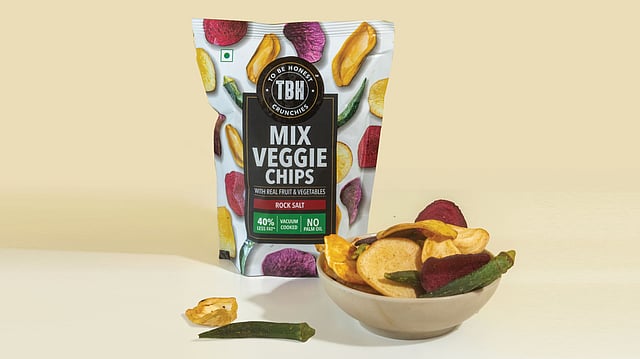
To Be Honest (TBH), the direct-to-consumer brand from Ghodawat Consumer Limited, has introduced a new product called Mix Veggie Chips. This launch taps into India's rapidly growing healthy snacks market, which is projected to reach USD 4.95 billion by 2032.

The product is designed as a guilt-free snack, featuring chips made from five different vegetables: golden sweet potato, purple sweet potato, ripe jackfruit, beetroot, and okra. It is distinguished by its health-focused preparation: the chips are vacuum-cooked with no palm oil, contain 40% less fat than regular chips, and are lightly seasoned with pure rock salt. According to the brand, this cooking method helps retain over 90% of the nutrients from the raw vegetables.


Salloni Ghodawat, CEO of Ghodawat Consumer, stated that the launch reflects the company's mission to make healthy eating enjoyable without compromising on taste, aiming to redefine snacking for India's new-age consumers.

Available for a Maximum Retail Price (MRP) of INR 135 for a 60g pack, Mix Veggie Chips have joined TBH's existing portfolio of snacks made from real fruits and vegetables. The chips are available for purchase online on platforms like Blinkit and Swiggy Instamart, and offline at retailers including Nature’s Basket and MagSon. This product launch supports TBH's broader goal to achieve INR 50 Crore in revenue by 2028, following its acquisition by GCL in 2023, which expanded its distribution to 30 Indian cities and 13 international markets.

Thursday, December 25, 2025

Sustainability and ESG (Environmental, Social, and Governance)

1. Introduction

Sustainability refers to the practice of meeting present needs without compromising the ability of future generations to meet their own needs. In business, sustainability emphasizes long-term value creation by balancing economic growth with environmental protection and social responsibility.

ESG (Environmental, Social, and Governance) is a framework used to evaluate how responsibly a company operates. It helps investors, regulators, and stakeholders assess a firm’s commitment to sustainable and ethical practices beyond financial performance.


2. Meaning of Sustainability in Business

Business sustainability involves integrating environmental care, social responsibility, and ethical governance into business operations and strategy. Sustainable businesses focus not only on profits but also on people and the planet, often referred to as the Triple Bottom Line – People, Planet, Profit.

Example:

Companies like Unilever focus on sustainable sourcing, waste reduction, and inclusive growth through their Sustainable Living Plan.


3. Understanding ESG (Environmental, Social, Governance)

ESG represents three key dimensions used to assess corporate sustainability and ethical impact.


4. Environmental (E) Factors

Environmental factors examine how a company impacts the natural environment.

Key Environmental Aspects:

  • Climate change and carbon emissions

  • Energy efficiency and renewable energy use

  • Waste management and recycling

  • Water conservation

  • Sustainable sourcing of raw materials

Examples:

  • Tata Power investing heavily in renewable energy projects

  • ITC being carbon-positive, water-positive, and solid-waste recycling positive

  • Tesla promoting electric vehicles to reduce carbon emissions


5. Social (S) Factors

Social factors focus on a company’s relationship with employees, customers, suppliers, and communities.

Key Social Aspects:

  • Employee welfare and workplace safety

  • Diversity, equity, and inclusion

  • Human rights and labor practices

  • Customer satisfaction and data privacy

  • Community development and CSR activities

Examples:

  • Infosys focusing on employee training, diversity, and ethical labor practices

  • HUL supporting rural livelihoods through Project Shakti

  • Microsoft emphasizing data privacy and digital inclusion


6. Governance (G) Factors

Governance refers to the systems, policies, and leadership structures that ensure ethical and transparent decision-making.

Key Governance Aspects:

  • Board structure and independence

  • Executive compensation

  • Transparency and disclosures

  • Anti-corruption policies

  • Shareholder rights

Examples:

  • Tata Group known for strong corporate governance and ethical leadership

  • Reliance Industries following robust disclosure and compliance practices

  • Companies complying with SEBI’s ESG reporting norms (BRSR) in India


7. Importance of ESG in Business

  • Helps manage environmental and social risks

  • Enhances brand reputation and trust

  • Attracts responsible investors

  • Ensures regulatory compliance

  • Promotes long-term financial stability


8. ESG and Investment Decisions

Investors increasingly use ESG metrics to evaluate companies before investing. ESG-focused funds invest in companies with strong sustainability practices and avoid firms involved in environmental damage, social injustice, or unethical governance.

Example:

Mutual funds and pension funds prefer companies with high ESG scores due to lower risk and stable long-term returns.


9. ESG in the Indian Context

India has strengthened ESG adoption through:

  • Mandatory Business Responsibility and Sustainability Reporting (BRSR) for listed companies

  • Increased focus on renewable energy and clean technology

  • Growing emphasis on CSR under the Companies Act, 2013

Example:

Indian companies like Mahindra & Mahindra focus on electric mobility and sustainability reporting.


10. Challenges in Implementing ESG

  • High initial costs

  • Lack of standardized ESG metrics

  • Greenwashing concerns

  • Limited awareness among small businesses


11. Benefits of Sustainability and ESG

  • Long-term profitability

  • Improved stakeholder relations

  • Risk reduction

  • Competitive advantage

  • Positive social and environmental impact

Wednesday, December 24, 2025

PORTER’S FIVE FORCES MODEL

The Porter’s Five Forces Model is a strategic framework developed by Michael E. Porter to analyze the competitive structure of an industry. It helps businesses understand the level of competition, profitability, and attractiveness of an industry.


The model identifies five key forces that influence industry competition and determine long-term profitability.


1. Threat of New Entrants

This force examines how easy or difficult it is for new firms to enter an industry.

When entry barriers are low, new competitors can enter easily, increasing competition and reducing profits.
When entry barriers are high, existing firms are protected.

Common entry barriers include:

Example:
Telecom and airline industries have high entry barriers.


2. Bargaining Power of Buyers

This force refers to the ability of customers to influence prices and quality.

Buyers have high bargaining power when:

  • Many alternatives are available

  • Products are standardized

  • Buyers purchase in large volumes

Buyer power is low when products are unique or switching costs are high.

Example:
Online consumers have high bargaining power due to multiple choices.


3. Bargaining Power of Suppliers

This force analyzes how much control suppliers have over prices, quality, and availability of inputs.

Suppliers have high power when:

  • Few suppliers exist

  • Inputs are unique

  • Switching suppliers is costly

Supplier power is low when many suppliers are available.

Example:
Chip manufacturers have high power in the electronics industry.


4. Threat of Substitute Products

Substitutes are alternative products that satisfy the same customer need.

The threat is high when:

  • Substitutes are easily available

  • Prices are lower

  • Switching costs are minimal

Example:
Tea and coffee are substitutes for each other.

High threat of substitutes limits pricing power and profitability.


5. Competitive Rivalry

This force represents the intensity of competition among existing firms.

Rivalry is high when:

  • Many competitors exist

  • Industry growth is slow

  • Products are similar

  • Price wars are common

Example:
Fast-moving consumer goods and smartphone industries.


Conclusion

Porter’s Five Forces Model helps firms:

  • Understand industry competition

  • Identify profit potential

  • Develop effective competitive strategies

Although the model is simple, it remains highly relevant when combined with modern tools and market analysis.


click for video Explaination

PESTLE ANALYSIS

 1. Meaning of PESTLE Analysis

PESTLE Analysis is a strategic management tool used to analyze the external macro-environmental factors that affect an organization’s performance and decision-making. It helps businesses understand the opportunities and threats present in the external environment.

PESTLE stands for Political, Economic, Social, Technological, Legal, and Environmental factors.


2. Components of PESTLE Analysis

A. Political Factors

Political factors relate to the role of government and political stability in influencing business activities.

Examples:


B. Economic Factors

Economic factors influence the purchasing power of consumers and overall market conditions.

Examples:


C. Social Factors

Social factors focus on societal trends, culture, and demographic changes.

Examples:


D. Technological Factors

Technological factors analyze innovation and technological advancement affecting businesses.

Examples:


E. Legal Factors

Legal factors include laws and regulations that organizations must comply with.

Examples:


F. Environmental Factors

Environmental factors relate to ecological and sustainability issues.

Examples:


3. Importance of PESTLE Analysis

  • Helps understand the external business environment

  • Identifies opportunities and threats

  • Supports strategic planning and decision-making

  • Reduces business risks

  • Assists in market entry and expansion decisions


4. Advantages of PESTLE Analysis

  • Simple and easy to use

  • Comprehensive external analysis

  • Useful across industries

  • Improves long-term planning


5. Limitations of PESTLE Analysis

  • External factors change rapidly

  • Does not analyze internal strengths or weaknesses

  • Can become complex if too many factors are considered


6. Conclusion

PESTLE Analysis is an effective tool for understanding the macro-environmental forces affecting organizations. By systematically evaluating political, economic, social, technological, legal, and environmental factors, businesses can plan better strategies, reduce uncertainty, and gain competitive advantage.

Sunday, December 21, 2025

Data Driven innovation in Consumer Goods

Chips Ahoy! a brand from Mondelez International, leverages consumer data and analytics to stay in tune with evolving shopper behaviours and preferences, ensuring the brand remains relevant in a competitive snacking market. They partner with analytics firms and use insights from consumer trend sources such as market research panels to understand key priorities like value, convenience, indulgence, and better-for-you snacking, helping them identify emerging growth opportunities. These data insights guide decision-making about where to invest — for example, targeting younger audiences on platforms they frequent rather than traditional media. The brand uses this information to develop and test product concepts, choosing those with the highest purchase intent to advance into development with R&D teams. Iterative consumer testing refines ideas to ensure strong market fit before full launch. One direct result of this insight-driven approach was the introduction of a gluten-free version of the original cookie, meeting a growing household trend and achieving high repeat purchase rates. Additionally, data has supported innovations like Fresh Stacks portable packs priced to attract new and lapsed consumers, and the Baked Bites platform tapping into new occasions and expanding category reach. By combining consumer analytics with strategic product development, Chips Ahoy! continues to innovate products that resonate with diverse snacking occasions and consumer segments

Anmol Industries Launches Cream Roll & Mango Swiss Roll


Anmol Industries Limited has expanded its value-snacking portfolio with the launch of two new products — the Anmol Cream Roll and the Mango Swiss Roll — designed to offer affordable and enjoyable treats for everyday consumption. The Cream Roll delivers a light, creamy bite with a soft, smooth texture, while the Mango Swiss Roll brings a refreshing, fruity flavour that appeals across regions and age groups, adding variety to Anmol’s indulgent snack range. According to the company’s Executive Director of Marketing, the new products stay true to consumer expectations by combining reliable quality, enjoyable flavours, and easy accessibility. Both items are produced in Anmol’s own manufacturing facilities, ensuring consistent freshness and quality in every batch. With an attractive price point, the snacks are positioned to appeal to consumers in villages, towns, and cities alike without stretching household budgets. The company has already begun distribution through its regular retail network, so the products are appearing on store shelves across multiple regions. This rollout strengthens Anmol’s presence in the everyday indulgent food category and complements its existing snack offerings. The introduction of these treats further reinforces Anmol’s commitment to providing value-led, tasty snacking options for a broad spectrum of buyers.

Saturday, December 20, 2025

Northern Pride Premium Blended Whisky from Three Brothers Distillery


Three Brothers Distillery has introduced Northern Pride Premium Blended Whisky, a new offering inspired by the strength and cultural ethos of India’s northern region. The whisky is crafted using fine Indian grain spirit blended with three distinct Scotch malts, resulting in a smooth texture, subtle sweetness, and a well-balanced finish. Developed with a focus on authenticity and craftsmanship, the product reflects the company’s philosophy of honest production and controlled expansion. According to founder Varun Gupta, Northern Pride embodies discipline, transparency, and genuine taste. The whisky is produced in small batches to ensure consistency and quality. It has begun distribution across select urban markets through premium retail outlets and bars, with wider availability planned in the coming months. The launch strengthens Three Brothers Distillery’s presence in the premium blended whisky segment and supports its evolution as a modern Indian spirits producer.

Anmol Industries Launches Kream Cakes & Premium Cookies for Everyday Snackers


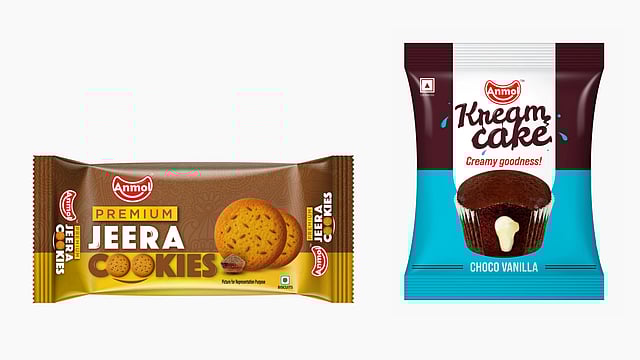
Anmol Industries Limited, a leading name in India’s packaged food market, has expanded its snacking portfolio with the introduction of Anmol Kream Cakes and Premium Cookies, designed to cater to everyday sweet cravings. The Kream Cakes line features soft, cream-filled cakes available in popular flavours such as Vanilla, Mixed Fruit, and Choco Double, making them ideal for lunch boxes, tea breaks, or light indulgence. Alongside this, the Premium Cookies range includes a Coconut variant made with real coconut and free from artificial colours, offering a flavourful bite for cookie lovers. Both products emphasize quality, taste, and affordability, aligning with Anmol’s focus on delivering enjoyable snacks for a wide consumer base. Manufactured in the company’s own facilities, these snacks ensure freshness and consistency across batches. According to Anmol’s management, the new launches are crafted to fit seamlessly into daily routines while appealing to varied age groups. The products are now available through Anmol’s regular retail network, reaching neighbourhood stores, supermarkets, and major e-commerce platforms. With expanded distribution into both urban and semi-urban markets, the new cakes and cookies are positioned as convenient, value-led choices in the company’s growing portfolio.

Nutrica Enters Peanut Butter Category with New Wellness-Focused Range

Nutrica, the lifestyle and wellness brand from BN Agritech Limited, has launched its new peanut butter range in India, marking its entry into the growing peanut butter segment. The launch is part of Nutrica’s strategy to expand its wellness portfolio by offering products that balance nutrition, taste, and everyday functionality. The range is available in Crunchy and Creamy variants, catering to diverse consumer preferences.

Nutrica Peanut Butter is positioned as a healthy snacking and daily nutrition option, being high in protein and rich in dietary fibre. Made from 100 per cent vegetarian ingredients and free from artificial preservatives, the product aligns with the brand’s belief that nutritious food should be both accessible and enjoyable. The peanut butter is offered in convenient PET jar sizes of 300 grams, 750 grams, and 900 grams, making it suitable for different household needs.

The product is currently available through general trade stores across 14 major Indian cities, including Delhi, Mumbai, Pune, and Chandigarh. According to the company, the launch encourages consumers to make a simple switch from regular spreads to peanut butter for a healthier lifestyle. With this addition, Nutrica strengthens its presence as a comprehensive wellness brand, building on its existing range that includes honey and vitamin-enriched cooking oils. 


Fabelle by ITC Launches Kunafa-Inspired Luxury Chocolate Collection in India

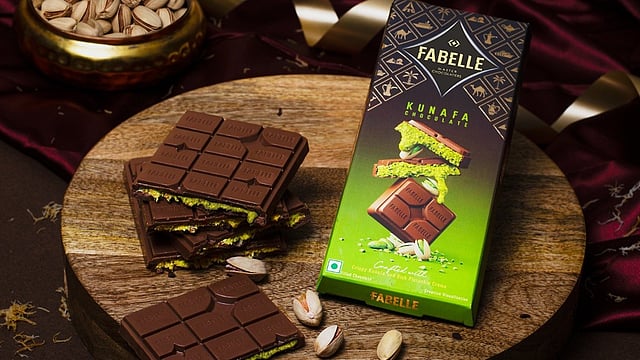
 Fabelle Exquisite Chocolates, the luxury chocolate brand from ITC Limited, has introduced an innovative Kunafa-inspired chocolate collection in India, bringing together the richness of Middle Eastern dessert traditions and premium chocolate craftsmanship. Inspired by the globally popular kunafa dessert, the new range reflects Fabelle’s focus on innovation, indulgence, and experiential luxury.

The Fabelle Kunafa Chocolate Collection features three indulgent variants: Milk Pistachio Kunafa Chocolate, Pistachio Dark Chocolate Kunafa with 64% cocoa, and Pecan Dark Chocolate Kunafa with 64% cocoa. Each variant combines fine chocolate with authentic kunafa elements such as crispy kataifi strands and rich nut fillings, offering a unique blend of textures and flavours. The inclusion of pecans adds a distinctive and premium twist to the collection, setting it apart in the Indian luxury chocolate segment.

The product has been developed after extensive research by Fabelle’s master chocolatiers, who studied traditional kunafa preparations in Dubai’s renowned patisseries. The aim was to recreate the multisensory experience of kunafa—its crispiness, creaminess, and richness—within a refined chocolate format, while maintaining balance and harmony in taste.

According to ITC, the launch reflects Fabelle’s commitment to elevating global dessert trends through meticulous craftsmanship rather than merely replicating them. The brand seeks to deliver a sophisticated flavour experience that appeals to evolving consumer preferences for premium, internationally inspired confections.

The Kunafa Chocolate Collection is available at Fabelle boutiques across major Indian cities such as Mumbai, Bengaluru, Chennai, Hyderabad, Delhi, Kolkata, Ahmedabad, and Amritsar, and is also accessible online through Fabelle’s website as well as leading food delivery platforms. With this launch, Fabelle strengthens its position in India’s growing premium chocolate market, driven by fusion flavours and global culinary influences.