Friday, June 27, 2025

Amul Goes Global: Launches Fresh Milk in Europe

Amul, India’s beloved dairy brand, has teamed up with Spain’s top dairy cooperative, COVAP, to bring its fresh milk to Europe for the first time! Starting in Madrid and Barcelona, Amul Milk will soon reach more Spanish cities and even expand to Germany, Italy, and Switzerland. This partnership combines Amul’s 3.6 million Indian farmers with COVAP’s high-tech dairy expertise, offering European shoppers the same pure, nutritious milk that millions in India trust every day. It’s a big win for cooperative power and a proud moment for Indian dairy on the global stage!

Why Amul’s European Launch is a Big Deal 

Amul’s entry into Europe isn’t just about milk—it’s about sharing India’s dairy success story with the world. With COVAP’s modern facilities and Amul’s farmer-driven model, this partnership ensures quality while supporting livelihoods in both countries. As Amul’s MD Jayen Mehta puts it, this aligns with India’s vision of taking its brands global. For Europeans, it’s a chance to taste the goodness of Amul, and for Indian farmers, it’s a thrilling new market. Talk about a moo-ving milestone!

Cooperatives Unite: Amul & COVAP’s Win-Win Partnership 

Two dairy giants—India’s Amul and Spain’s COVAP—are proving how cooperatives can change the game. By pooling resources (Amul’s massive farmer network and COVAP’s cutting-edge tech), they’re bringing fresh, affordable milk to Europe while boosting incomes for farmers on both sides. It’s a perfect example of "cooperation between cooperatives," as the UN’s 2025 International Year of Cooperatives theme highlights. Who knew milk could taste so sweet for everyone involved?

From Gujarat to Spain: Amul’s Dairy Diplomacy 

Amul’s iconic butter and milk are now heading to Spanish supermarkets, thanks to a historic handshake with COVAP. The launch event at India’s Madrid embassy even had government leaders cheering! For Amul, it’s a strategic leap into Europe’s competitive dairy market. For consumers, it’s a trusted new choice. And for farmers? More demand means more growth. Whether you’re in Anand or Alicante, good milk just got even better.

What’s Next for Amul in Europe?

After Spain, Amul has its sights set on Germany, Italy, and Switzerland—with plans to make its milk a household staple across the continent. This isn’t just about selling products; it’s about building bridges between Indian and European dairy traditions. With COVAP’s distribution muscle and Amul’s brand power, the future looks creamy bright. Stay tuned for more udderly exciting updates!

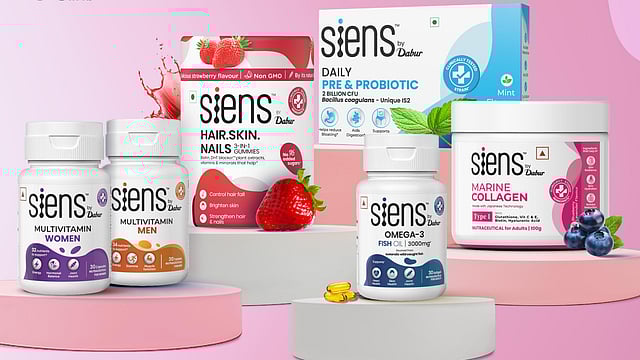
Dabur's Digital Wellness Revolution with Siens


Dabur India has stepped into the future of wellness with Siens (pronounced "Science"), a premium direct-to-consumer supplement brand that blends the company’s 141-year legacy with modern, science-backed formulations. Designed for today’s health-conscious consumers, Siens offers clean, clinically studied solutions across beauty, daily wellness, and gut health—think marine collagen gummies, multivitamins, and probiotics. Every product is crafted with high-quality ingredients from trusted global suppliers and manufactured in certified facilities, ensuring both safety and efficacy. As Dabur’s first digital-first brand, Siens reflects the growing demand for transparent, evidence-based wellness, available conveniently on e-commerce platforms. It’s not just another supplement line—it’s precision health made simple.

Why Siens Stands Out

Dabur’s Siens is more than just a new product range—it’s a strategic shift toward digital-first wellness. With a focus on clinically proven ingredients and honest communication, the brand caters to consumers who want real results, not just marketing hype. From hair and skin gummies to gut-health boosters, Siens makes daily wellness effortless and effective. By combining Dabur’s trusted heritage with cutting-edge science, Siens is set to redefine how we approach health in the digital age.


The Future of Wellness, Today

Siens represents Dabur’s commitment to evolving with its consumers, offering research-backed supplements that fit seamlessly into modern lifestyles. Whether you’re looking for beauty support, immune health, or digestive balance, Siens delivers science in a simple, accessible way. Available on leading e-commerce platforms, it’s wellness designed for the way we live now—smart, fast, and trustworthy.

Sunday, June 22, 2025

Neuroleadership: How Brain Science Supercharges Team Motivation

Neuroleadership merges neuroscience and management to optimize how teams think, collaborate, and stay motivated. It’s the secret behind Google’s high-performing teams and Silicon Valley’s culture of innovation.


1. The Brain Science of Motivation

(Key Concepts: Dopamine, Threat vs. Reward Response, Cognitive Load)

  • Dopamine-Driven Feedback:

    • Brains crave progress. Frequent small wins (e.g., Slack praise, milestone celebrations) trigger dopamine, fueling motivation.

    • Example: Atlassian uses "ShipIt Days" for rapid wins.

  • Reduce Threat, Amplify Reward:

    • Stress (like micromanagement) activates the brain’s amygdala, killing creativity.

    • Psychological safety (feeling safe to take risks) boosts the prefrontal cortex for problem-solving.

  • Cognitive Bandwidth:

    • Multitasking drops IQ by 10+ points (University of London).

    • Fix: Deep work blocks (like Cal Newport’s methods).


2. Google’s Project Aristotle: The Proof

(How Psychological Safety Built Top Teams)

The Discovery:
After analyzing 180+ teams, Google found technical skills mattered less than group norms. The #1 trait of successful teams? Psychological safety.

5 Pillars of Elite Teams:

  1. Psychological Safety: "Will I be punished for a mistake?" → Teams that admit errors innovate 300% more (Harvard).

  2. Dependability: Clear roles = less brain energy wasted on uncertainty.

  3. Meaning: Connecting work to purpose (e.g., "We save lives" vs. "We sell software").

  4. Impact: Brains need to see results (use metrics like "X% user growth from your project").

  5. Structure & Clarity: Chaos triggers stress hormones; simple rules free mental energy.

Real-World Impact:

  • Teams with high psychological safety report 76% more engagement (Gallup).

  • Google’s "Aristotle" teams had 17% higher productivity.


3. How to Apply Neuroleadership

(Actionable Tactics for Managers)

For Psychological Safety:

  • Blame-Free Retrospectives: "What did we learn?" not "Who messed up?"

  • Leaders Go First: Share your failures (model vulnerability).

For Motivation:

  • Progress Principle: Daily standups highlighting small wins.

  • Autonomy = Trust: Let teams choose how to hit goals (boosts dopamine).

For Focus:

  • "No Meeting Wednesdays": Adopted by Facebook, Asana.

  • Chunk Tasks: Brains prefer 25-minute sprints (Pomodoro Technique).


Key Takeaway

Great leadership isn’t about charisma—it’s about designing environments where brains thrive. Google proved that even geniuses need safety to excel.

Your Move: Try one tactic this week (e.g., start a meeting with "What’s one recent failure you learned from?").


Saturday, June 14, 2025

20 MBA project Titles in Healthcare Management

20 well-researched MBA project titles in Healthcare Management, covering hospital administration, healthcare policy, technology, operations, and emerging trends:


1. Hospital Operations & Efficiency

  1. "Optimizing Patient Flow in Emergency Departments: A Case Study of [Hospital Name]"

  2. "Cost-Benefit Analysis of Outsourcing Non-Clinical Services (Housekeeping, Security) in Hospitals"

  3. "Impact of Lean Management on Reducing Medication Errors in Multi-Specialty Hospitals"

  4. "Bed Occupancy Rate vs. Patient Satisfaction: Finding the Balance in Tertiary Care Hospitals"

2. Healthcare Technology & Innovation

  1. "Adoption Challenges of Electronic Health Records (EHR) in Indian Hospitals"

  2. "AI in Diagnostics: Accuracy, Cost, and Patient Trust – A Study of [Hospital/Region]"

  3. "Telemedicine Adoption in Rural India: Barriers and Success Factors"

  4. "Blockchain for Secure Patient Data Sharing: Feasibility in Indian Healthcare"

3. Healthcare Quality & Patient Safety

  1. "Reducing Hospital-Acquired Infections (HAIs): Best Practices from [Country/Model Hospital]"

  2. "Patient Satisfaction in Private vs. Government Hospitals: A Comparative Analysis"

  3. "Impact of Accreditation (NABH/JCI) on Hospital Service Quality and Revenue"

4. Healthcare Policy & Economics

  1. "Ayushman Bharat’s Impact on Private Hospital Profitability: A Financial Analysis"

  2. "Universal Health Coverage (UHC) in India: Progress and Challenges"

  3. "Pricing Strategies for Specialty Healthcare Services: A Study of [Hospital Chain]"

5. Emerging Trends & Strategic Management

  1. "Mental Health Services in Corporate Hospitals: Demand, Supply, and ROI"

  2. "Medical Tourism in India: Marketing Strategies for Attracting International Patients"

  3. "Sustainable Healthcare: Waste Management Practices in Large Hospitals"

  4. "Role of Public-Private Partnerships (PPPs) in Improving Primary Healthcare"

6. Human Resources & Leadership

  1. "Nurse Retention Strategies in High-Turnover Healthcare Settings"

  2. "Leadership Styles and Their Impact on Hospital Operational Efficiency

MBA project titles in Hospital Administration

10 impactful MBA project titles in Hospital Administration, covering operational efficiency, patient care, technology adoption, and healthcare policy:

1. Operational Efficiency & Management

  1. "Optimizing Patient Flow in Outpatient Departments: A Study of [Hospital Name]"

  2. "Cost-Benefit Analysis of Outsourcing vs. In-House Hospital Services (Laundry, Security, Catering)"

  3. "Impact of Lean Six Sigma on Reducing Hospital Waiting Times: A Case Study"

2. Technology & Digital Transformation

  1. "Adoption of Electronic Health Records (EHR): Challenges and Benefits for Indian Hospitals"

  2. "Role of Telemedicine in Improving Rural Healthcare Access: Post-Pandemic Analysis"

  3. "AI and Predictive Analytics in Hospital Resource Allocation: Case of [Hospital Chain]"

3. Patient Care & Quality Standards

  1. "Measuring Patient Satisfaction: Gap Analysis Between Private and Government Hospitals"

  2. "Strategies to Reduce Hospital-Acquired Infections (HAIs): Best Practices from [Country/Region]"

4. Healthcare Policy & Economics

  1. "Cost Containment Strategies in Multi-Specialty Hospitals Without Compromising Quality"

  2. "Impact of Ayushman Bharat Scheme on Private Hospital Profitability: A Financial Perspective"

Bonus: Emerging Trends

  • "Blockchain for Secure Patient Data Management in Hospitals"

  • "Mental Health Services in Corporate Hospitals: Demand and Infrastructure Gaps"


PROJECT TITLES FOR MBA/MBA PROJECT TITLE- EXAMPLE


Digital Marketing & Social Media

  1. "Impact of Influencer Marketing on Brand Perception: A Case Study of [Brand/Industry]"

  2. "The Role of AI and Chatbots in Enhancing Customer Engagement in E-commerce"

  3. "Effectiveness of Social Media Advertising vs. Traditional Advertising: A Comparative Study"

  4. "How Personalization in Digital Marketing Improves Customer Retention: Evidence from [Sector]"

  5. "The Rise of Short-Form Video Marketing (TikTok/Reels) and Its ROI for Brands"

Consumer Behavior & Psychology

  1. "How Pricing Strategies Influence Purchase Decisions: A Study of Premium vs. Budget Segments"

  2. "The Psychology of Color in Branding: How Visuals Impact Consumer Choices"

  3. "Impact of Celebrity Endorsements on Brand Loyalty: Case of [FMCG/Automobile Sector]"

  4. "Gen Z vs. Millennials: Differences in Buying Behavior and Marketing Strategies"

  5. "How Scarcity and Urgency Tactics (e.g., ‘Limited Stock’) Drive Impulse Buying"

Branding & Product Marketing

  1. "Rebranding Strategies for Legacy Brands: Successes and Failures (Case: [Company])"

  2. "Private Label vs. National Brands: Consumer Trust and Market Penetration in [Retail Sector]"

  3. "The Role of Packaging Design in Influencing FMCG Product Sales"

  4. "Challenges of Marketing Sustainable Products: Consumer Willingness to Pay a Premium"

  5. "Neuromarketing in Advertising: How Brain Science Shapes Campaign Effectiveness"

Rural Marketing & Emerging Trends

  1. "Rural vs. Urban Consumer Behavior: Adapting Marketing Strategies in [Industry]"

  2. "The Future of Voice Search and Its Impact on Digital Marketing Strategies"

  3. "Metaverse Marketing: Opportunities and Challenges for Brands in Virtual Spaces"

  4. "Subscription-Based Business Models: Analyzing Customer Retention in [Industry]"

  5. "Marketing Strategies for D2C (Direct-to-Consumer) Brands: Scaling Challenges"

Bonus: Industry-Specific Titles

  • Healthcare: "Marketing Strategies for Telemedicine Adoption in Post-Pandemic India"

  • Automobile: "How EV Brands Are Using Digital Marketing to Disrupt Traditional Auto Markets"

  • BFSI: "Role of Fintech Apps in Changing Consumer Banking Habits: A Marketing Perspective"


Marketing Organization: Structure, Functions

Marketing Organization: Structure, Functions, and Best Practices

1. Introduction to Marketing Organization

marketing organization refers to the structured team or department within a company responsible for planning, executing, and managing marketing strategies to promote products, engage customers, and drive business growth. It ensures alignment between marketing efforts and overall business objectives.

2. Key Functions of a Marketing Organization

A well-structured marketing team performs several critical functions:

A. Strategic Planning

  • Defines brand positioning, target audience, and competitive differentiation.

  • Develops long-term marketing strategies aligned with business goals.

B. Market Research & Consumer Insights

  • Conducts surveys, competitor analysis, and trend forecasting.

  • Gathers customer feedback to refine marketing strategies.

C. Brand Management

  • Maintains brand identity, messaging, and consistency across channels.

  • Oversees advertising, PR, and sponsorships.

D. Digital & Content Marketing

  • Manages SEO, social media, email marketing, and influencer collaborations.

  • Creates engaging content (blogs, videos, infographics).

E. Product Marketing

  • Develops go-to-market (GTM) strategies for new product launches.

  • Works with sales teams to communicate product benefits.

F. Performance Analytics

  • Tracks KPIs (ROI, conversion rates, customer acquisition cost).

  • Uses tools like Google Analytics, CRM software, and marketing automation.

3. Common Marketing Organization Structures

Companies organize marketing teams based on size, industry, and goals:

A. Functional Structure

  • Teams are divided by specialization (e.g., Digital Marketing, Branding, PR).

  • Best for large enterprises with complex marketing needs.

B. Product-Based Structure

  • Teams focus on specific products or brands (e.g., Continental Spéciale Coffee team).

  • Common in FMCG and consumer goods companies.

C. Geographic Structure

  • Marketing teams are region-specific (e.g., North India vs. South India).

  • Useful for businesses with diverse regional preferences.

D. Customer-Centric Structure

  • Teams focus on different customer segments (B2B vs. B2C).

  • Example: Separate teams for retail and corporate clients.

E. Matrix Structure

  • Combines functional and product-based teams for flexibility.

  • Used in agile organizations with cross-functional collaboration.

4. Best Practices for an Effective Marketing Organization

  • Alignment with Business Goals: Ensure marketing strategies support overall company objectives.

  • Data-Driven Decision Making: Use analytics to optimize campaigns.

  • Agile & Adaptive: Quickly respond to market trends and customer behavior.

  • Collaboration with Sales & Product Teams: Ensures cohesive messaging.

  • Continuous Learning: Invest in training for new tools (AI, automation, SEO).

5. Example: Marketing Organization in FMCG (Like Continental Coffee)

  • Brand Team: Manages Continental Spéciale’s identity and positioning.

  • Digital Marketing: Runs social media campaigns and e-commerce promotions.

  • Market Research: Analyzes demand for flavored coffee in North vs. South India.

  • Product Marketing: Leads the launch of Mocha, Vanilla, and Hazelnut variants.

  • Sales Enablement: Provides retailers with promotional materials.

6. Conclusion

A well-structured marketing organization is crucial for driving brand growth, customer engagement, and revenue. By adopting the right structure, leveraging data, and fostering cross-functional collaboration, businesses can stay competitive in dynamic markets.

Wednesday, June 4, 2025

Continental Coffee Launches flavored instant coffee

 Continental Coffee, under CCL Products (India), has introduced four new flavored instant coffee variants—Mocha, Vanilla, Caramel, and Hazelnut—under its Continental Spéciale brand. Targeting India’s growing demand for smoother, less bitter coffee, these blends cater to urban palates and occasional drinkers, especially in North India. Crafted from shade-grown beans, each variant offers a distinct taste experience, from chocolatey Mocha to nutty Hazelnut. Available in 50g jars online (Amazon, Swiggy, Blinkit) and in stores, the launch reflects the brand’s focus on joyful, accessible coffee moments.


Buy Continental Coffee From Amazon

Marico’s Saffola Launches Cold Pressed Oils

Marico’s Saffola has entered the cold-pressed oils segment with a new range that includes dual-seed blends (Groundnut & Sesame, Groundnut & Safflower) and single-seed variants (Groundnut, Sesame, Mustard). Extracted at low temperatures to retain nutrients, these oils offer a balanced fatty acid profile, supporting heart health and cholesterol management. Priced from ₹356 to ₹719, the range is now available on quick commerce platforms, aligning with Saffola’s mission to promote smarter kitchen choices. A natural extension of its heart-health legacy, this launch caters to India’s growing demand for functional, wholesome cooking oils.


BUY FROM AMAZON

BUY FROM AMAZON